

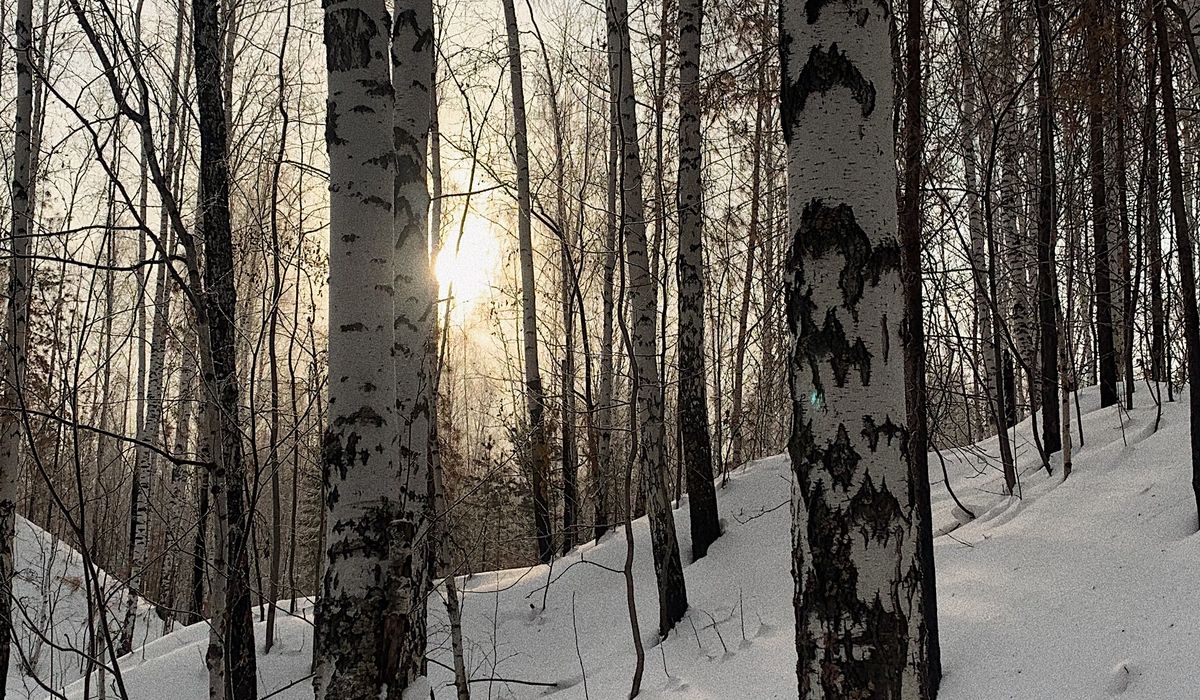
There is a particular pleasure in planting a tree you know you will grow old with. But in a courtyard, a narrow back garden or a modest front plot, that pleasure can curdle into a decade of pruning, squabbling with neighbours and patching cracked paving. The difference between a tree that settles in beautifully and one that becomes a yearly chore is almost always decided before you dig the hole.
Start With the Space, Not the Tree
Before you fall for anything at the garden centre, spend twenty minutes with a tape measure and a notebook. Note the true width of the plot between fences, the position of windows, drains, manhole covers, overhead cables, satellite dishes and the washing line. Check where the sun rises and sets across the space in mid-summer and mid-winter, because those two days tell you far more than a mild afternoon in April.
Also be honest about the soil. Most British gardens sit on either heavy clay, thin chalk, or a sandy loam that dries out in August. Dig a spade-depth hole and squeeze a handful. Clay holds together in a shiny ball; sandy soil crumbles away. If the hole fills with water after heavy rain and stays full for a day or two, you have drainage problems, and a thirsty tree will only make them worse.
The Mature Size Question
This is where most small gardens go wrong. A tree bought at 1.5 metres in a two-litre pot may look harmless, but it was never going to stay that size. Always read the eventual height and spread, not the label on the pot, and then knock a little off, because a shrubby tree in a windy urban garden often stops short of its book dimensions.
- Small and genuinely well behaved (3–5 m): Japanese maple, crab apple, dwarf mountain pine, most columnar hornbeam forms.
- Medium but manageable (5–8 m): rowan, Amelanchier, hazel, Tibetan cherry, weeping pear.
- Better for larger plots (10 m and up): lime, sycamore, Norway maple, most oaks and poplars.
If a large tree is non-negotiable, choose one that responds well to regular pruning, such as hornbeam or lime, and be prepared to keep it on a strict regime. Otherwise, pick something that suits the space without a fight.
Roots, Foundations and Paving
Tree roots do not politely stop at the drip line of the canopy. Most feeding roots sit in the top 60 cm of soil and reach out well beyond the branches, sometimes twice the width of the crown. That matters when you are planting within a few metres of a wall, a patio, a driveway or a sewer.
- Keep the tree at least 2–3 m from paving and boundary walls, and further for vigorous species.
- On shrinkable clay, foundations are vulnerable to roots that dry the soil out. A small ornamental tree planted 5 m from the house is rarely a problem; a willow or poplar is a different prospect entirely.
- If space is really tight, use a root barrier or plant into a large container with drainage holes, watering and feeding more attentively.
- Check for underground services before digging, especially in newer estates where pipes and cables run shallow.
Light Levels and Aspect
A tree in the wrong light will always look slightly apologetic: leggy, sparse and slow. Get this right and half the work is done.
- Full sun (six hours or more in summer): rowan, crab apple, birch, most flowering cherries and pears.
- Partial shade: Amelanchier, hornbeam, hazel, Japanese maple, most dogwoods.
- Dappled shade under existing trees: hazel, holly and shade-tolerant maples, though they will grow more slowly.
- North-facing or bleak and windswept: stick with tough natives such as rowan, hawthorn and field maple.
Watch out for dry shade too. The soil beneath a mature hedge or a neighbour's sycamore is both dark and thirsty, and only the most tolerant plants will cope. If in doubt, improve the ground with a generous layer of well-rotted organic matter before planting and mulch again every spring.
Planting Well and the First Three Years
Bare-root trees are the best value and establish fastest, but they must go in between November and March while dormant. Container-grown trees can be planted at any time if you water them religiously through the first summer.
- Dig a square hole rather than a round one, about three times the width of the root ball and no deeper than the nursery soil line.
- Plant at the same depth the tree grew before. Burying the collar is the single most common cause of failure.
- Stake with a short stake driven in at 45 degrees for the first two years, then remove it so the trunk thickens properly.
- Water 10–20 litres a week through the first two summers, and mulch in a 5–7 cm ring, keeping it clear of the trunk.
After that, most well-chosen trees need little more than an annual tidy, a check for damaged branches in winter, and patience. Choose carefully at the start, and in fifteen years' time you will have a tree that looks as though it was always meant to be there.



John Doe
14 January, 2022Having no content in post should have adverse..
Chauffina Carr
10 April, 2022We use these tests all time! Killer stuff!
Jim Séchen
16 July, 2022Thanks for all the comments, everyone!