

Why a Native Birch Belongs in Your Garden
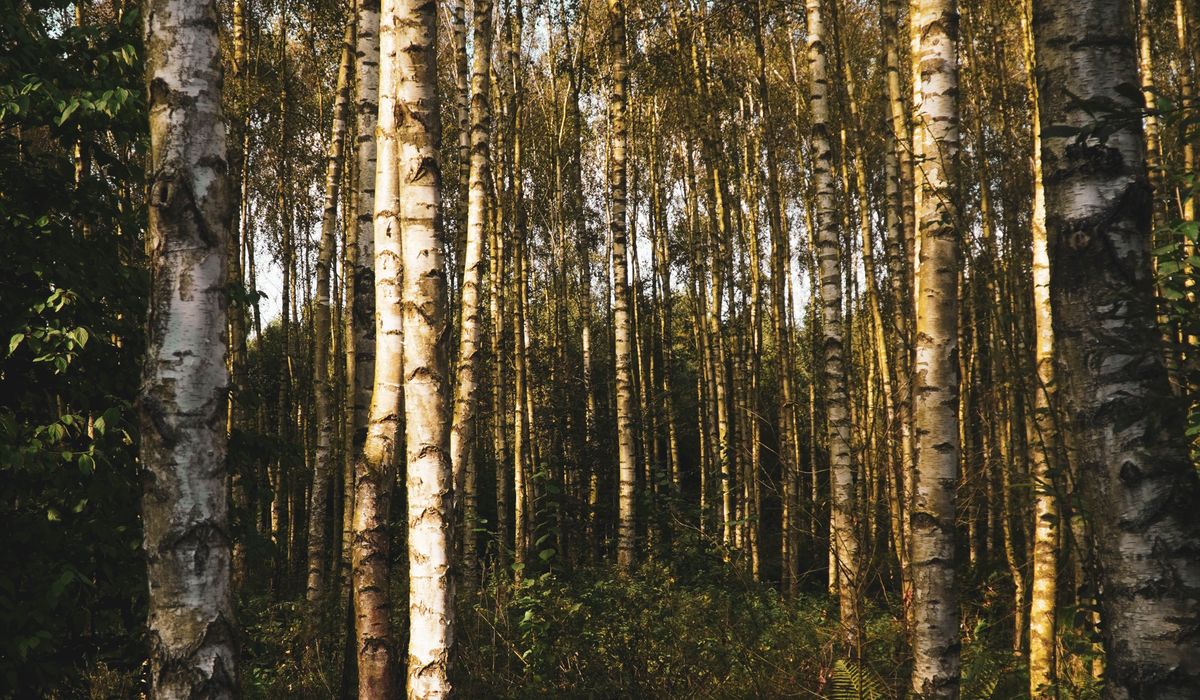
Britain has two native birches: silver birch (Betula pendula) and downy birch (Betula pubescens). Both are pioneers — the first trees to move onto bare ground — and both suit gardens remarkably well. A birch gives you a slender trunk, a light, airy canopy and dappled shade rather than heavy gloom, so the plants beneath it still have a chance. It also earns its keep ecologically: birch supports hundreds of insect species, its catkins and seeds feed siskins and redpolls, and its bark is colonised by lichens and fungi. Plant one of native provenance and you are adding something genuinely useful to your corner of the British landscape.
Birches are quick. A happy young tree can put on 40–60cm a year in its first decade, which means you get a real sense of progress without waiting half a lifetime. That speed is also the reason to plan carefully before you lift a spade.
Choosing the Right Spot
Birch is a tree of open, light-filled woodland and heath, so give it the brightest position you can — six hours of sun or more, with maybe a little late-afternoon shade.
Think about the roots before anything else. Birch roots are shallow and wide-spreading, and the tree is thirsty. Keep it at least five to six metres from house foundations, drains, sewers, soakaways and paved areas, and well clear of overhead cables and boundary lines, since mature trees can reach 15–20 metres.
Two further considerations:
- Wind. Birch bends rather than breaks, but young trees dislike salt-laden gales and constant exposure. A little shelter from the prevailing wind helps establishment.
- Frost. Avoid hollows where cold air pools in spring, as late frost can nip new growth.
Do not worry about the leaf litter. Birch leaves are small, low in tannin and break down quickly into excellent leaf mould — a gift, not a nuisance.
Preparing the Soil
Birch wants acid to neutral soil, free-draining but moisture-retentive. It thrives on poor, sandy and gravelly ground and sulks on heavy, compacted clay or shallow chalk. Test your pH with a simple kit if you are unsure; above about pH 7 the tree will grow but never look its best.
If your soil is heavy, do not simply dig a generous pit and fill it with compost — that creates a sump that fills with water in winter. Instead:
- Fork over a generous area, at least a metre across and a spade deep, breaking up any hard pan.
- Work in plenty of garden compost, well-rotted manure or leaf mould, plus a little coarse grit on clay.
- Clear perennial weeds thoroughly — couch, bindweed and bramble will out-compete a young tree.
Plant between November and March, while the tree is dormant and the soil is moist but not frozen or waterlogged.
Planting, Step by Step
- Choose well. Bare-root trees are cheapest and establish fastest, but must go in between November and March. Container-grown trees can be planted almost any time, though autumn remains best.
- Soak the rootball for an hour before planting, and stand bare roots in water for the same time.
- Dig a square hole roughly twice the width of the rootball and just as deep. Square holes gently encourage roots to spread outwards rather than circle.
- Rough up the base and sides with a fork. Do not polish them smooth with the spade.
- Position the tree so the root flare — where trunk meets roots — sits level with, or a centimetre or two above, the surrounding soil. Birches resent being buried, so err on the high side.
- Backfill in layers, firming gently with your heel as you go. You want the soil settled, not compacted.
- Water in thoroughly with about ten litres, even in December.
- Mulch with 5–8cm of well-rotted bark or leaf mould, keeping it clear of the trunk by a hand's width.
- Stake only if the site is exposed. Use a short stake and a soft, low tie, and remove both within 18 months.
Watering and Aftercare in the First Two Years
This is where most young birches are lost. Rain alone is rarely enough. Water slowly at the base with 10–15 litres a week through the first two summers, rising to twice that in hot, dry spells. Early morning or evening is best, and a can poured slowly beats a quick drench. Rainwater from a butt is ideal — birch dislikes hard, heavily softened water.
Keep a metre-wide circle free of grass and weeds, which compete savagely for moisture. A spiral guard will protect the bark from strimmers and rabbits.
Prune as little as possible. Birch bleeds sap heavily in late winter and spring, so if you must cut, do it in late summer. Otherwise, simply remove dead or damaged wood.
Aphids on new shoots and the brown blotches of birch leaf miner are usually cosmetic — leave them for the birds and avoid spraying.
Living Sustainably With Your Birch
A birch is a quiet engine of good practice in the garden. Rake its leaves into a wire bin and you have free leaf mould within a year. Leave the fallen leaves beneath the tree and you feed the soil life directly, no bagging or bonfires required.
Underplant with native woodland plants — wood anemone, foxglove, wood sorrel, wild strawberry — and you build a small, self-supporting habitat rather than a sterile border. Always buy cultivated stock rather than digging from the wild.
One plea: do not tap sap from a young garden tree. That is a practice for mature trees under traditional management, and a sapling needs every drop it has. Buy native stock of British provenance where you can, avoid peat-based compost, and let the tree do the rest.
Give a birch the right spot, decent drainage and a steady first two years of watering, and it will repay you for decades — in dappled shade, in birdsong, and in the pale, flickering light that only birch bark gives a garden.



John Doe
14 January, 2022Having no content in post should have adverse..
Chauffina Carr
10 April, 2022We use these tests all time! Killer stuff!
Jim Séchen
16 July, 2022Thanks for all the comments, everyone!