

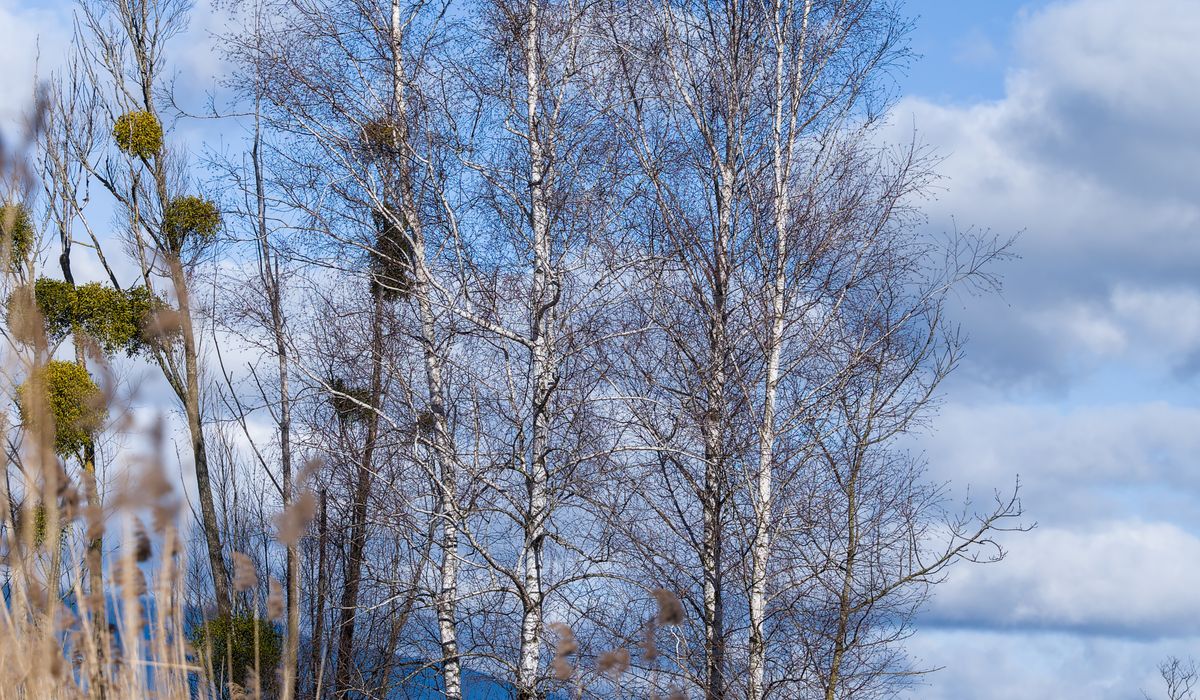
Why learn to read leaves?
A woodland walk becomes far richer when you can put a name to the canopy above you. For anyone tending a garden or smallholding, knowing your native trees is the first step towards sustainable living. Oak, ash and birch are three of the most common British trees, and their leaves give you reliable clues all year round. Once you can tell them apart, you can plan a native hedge, identify a coppice stool worth cutting, or simply enjoy the quiet satisfaction of recognising an old friend.
Three checks before you name a tree
Before you worry about species, look at three things. These will narrow your options dramatically.
- Arrangement: Leaves grow either alternately along the stem or in opposite pairs. Most British natives are alternate; ash is the notable opposite. Check a young shoot, not a crowded twig.
- Shape: Is the leaf simple, meaning one blade, or compound, meaning several leaflets on one stalk? Is it lobed, rounded, or triangular?
- Edges: Look at the margin. It might be smooth, singly toothed, doubly toothed, or lobed. Run a finger along it — toothed edges feel fine and prickly; smooth edges feel soft.
Carry a hand lens. The details that separate similar species are often tiny.
Oak: lobed and alternate
Oak leaves are unmistakable once you know the pattern. They are simple, alternate, and deeply lobed, with rounded lobes and shallow sinuses between them. The lobes never end in sharp bristles — that is a useful distinction from some introduced oaks. On our native English oak, leaves cluster at the ends of shoots and have almost no stalk. Sessile oak leaves are more evenly spaced along the shoot and have a longer stalk. The underside is paler than the top, and autumn turns them a warm russet.
For sustainable gardening, oak is a powerhouse. A single mature tree can support hundreds of insect species, which in turn feed birds and bats. If you have space, plant one. If not, leave a corner of rough grass beneath an existing oak and let leaf litter build soil.
Ash: opposite and pinnate
Ash is the tree to check for opposite leaves. Its leaves are pinnately compound: a central stalk carries seven to thirteen leaflets, arranged in pairs with one at the tip. Each leaflet is oval, pointed, and finely toothed along its edge. The whole leaf can be 20–30 cm long. Look also at the buds — they are black, velvety, and sit opposite each other on the twig. That opposite arrangement is rare among our large native trees, so it is a quick confirmation.
Ash is under pressure from ash dieback, which makes identification even more important. If you are managing a hedge or woodland, know what you are cutting. Healthy ash can be coppiced for tool handles and firewood, and its leaves rot down into excellent leaf mould. But never remove a tree you have not identified with certainty.
Birch: triangular and toothed
Birch leaves are smaller and more delicate. They are alternate, simple, and roughly triangular or diamond-shaped, with a pointed tip and a doubly toothed edge. Silver birch has hairless leaves that feel cool and smooth, and its branchlets droop elegantly. Downy birch has rounder leaves covered in fine soft hairs, with more regular teeth. Both turn a clear yellow in autumn.
Birch is a pioneer tree, quick to colonise bare ground. Its light canopy lets other plants grow beneath, which makes it useful in a wildlife garden or a new woodland planting. The leaves are rich in nutrients and break down fast, so add them to your leaf mould heap. Avoid confusing birch with hazel: hazel leaves are rounder, softly hairy, and have a heart-shaped base.
From woodland walk to garden plot
Next time you are out, pick a single twig from a low branch — never strip a tree — and run through the checks. Note the arrangement, sketch the leaf edge, and look at the buds. Within a few walks, oak, ash and birch will become familiar. That knowledge is practical. It helps you choose the right tree for a damp corner or a dry bank, prune a hedge without harming a rare species, and build a garden that gives back to the landscape. Sustainable living begins with paying attention, and leaves are a fine place to start.



John Doe
14 January, 2022Having no content in post should have adverse..
Chauffina Carr
10 April, 2022We use these tests all time! Killer stuff!
Jim Séchen
16 July, 2022Thanks for all the comments, everyone!